
Relationships after 50 are about more than companionship—they're essential for your health. Research shows that strong social connections reduce Alzheimer's risk by up to 50%, lower rates of depression and anxiety, decrease heart disease risk, and can add years to your life. Loneliness is as dangerous as smoking 15 cigarettes daily, increasing risk for diabetes, high blood pressure, and cognitive decline. Whether you're seeking romantic partnership, rebuilding after loss, or expanding your social circle, meaningful connections after 50 are vital medicine for body, mind, and spirit.

Isolation is one of the strongest risk factors for Alzheimer's disease and cognitive decline. When you engage in meaningful conversations, your brain activates multiple regions simultaneously—processing language, reading emotions, forming memories, and planning responses. This cognitive workout strengthens neural connections and builds cognitive reserve that protects against dementia. Studies show that people with strong social networks have 70% lower rates of cognitive decline compared to isolated individuals. Romantic relationships provide especially powerful protection because they involve emotional intimacy, physical touch, shared experiences, and problem-solving together—all activities that stimulate brain health. Even the anticipation of seeing someone you care about triggers dopamine release that protects brain cells. Dating and building new relationships after 50 isn't frivolous—it's preventive medicine for your brain that no pill can replicate.
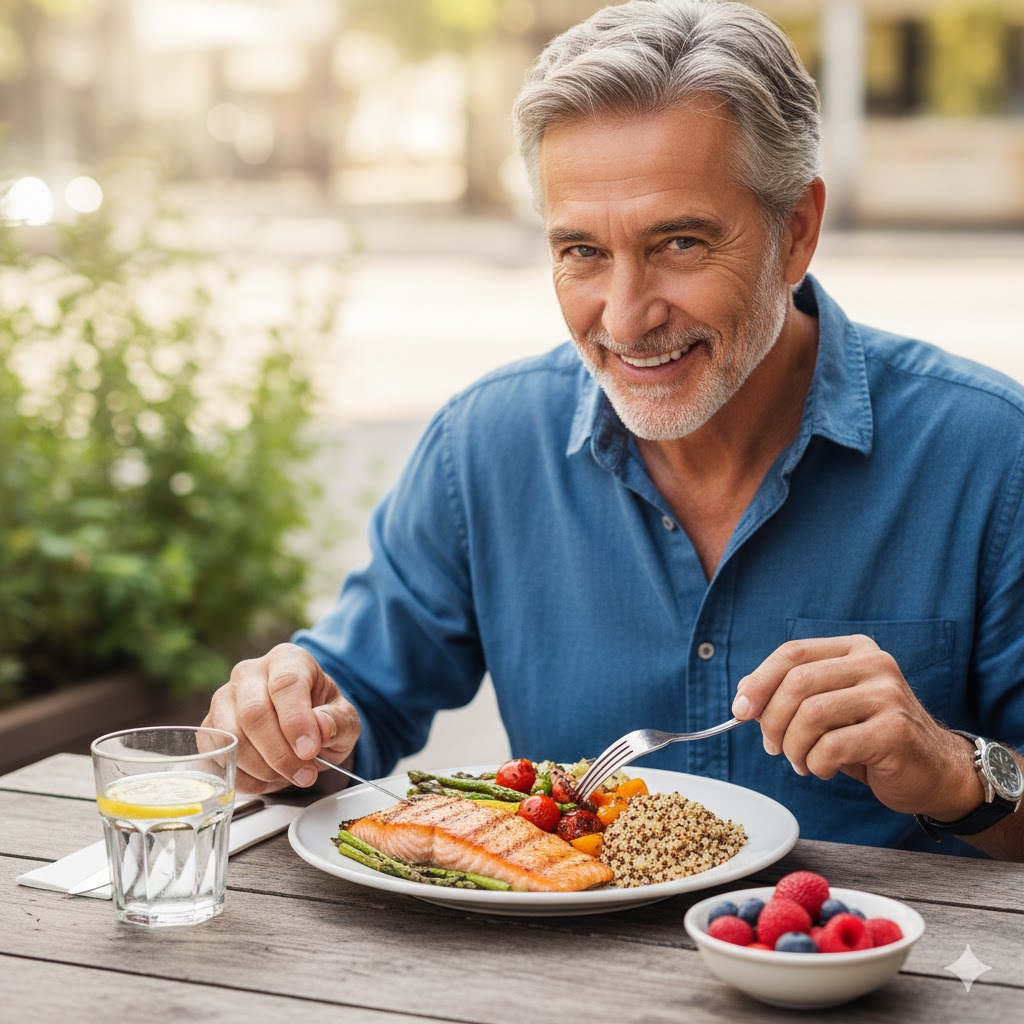
Depression increases dramatically with age when social connections fade, and depression itself increases risk for heart disease, diabetes, and immune dysfunction. Romantic relationships provide emotional support that buffers stress, physical affection that releases oxytocin (reducing cortisol and inflammation), and purpose through caring for another person. Having someone to share meals with improves nutrition—we eat better when dining with others. Couples motivate each other to exercise, attend medical appointments, and maintain healthy routines. The accountability of relationship keeps us showing up for life even when motivation wanes. Studies show married people and those in committed relationships have lower rates of depression, better medication adherence for chronic conditions, and faster recovery from illness. Even new dating relationships stimulate the brain's reward system, increasing serotonin and dopamine—nature's antidepressants that improve mood, energy, sleep, and immune function.
Physical intimacy and regular touch have profound health benefits after 50. Hugging, hand-holding, and sexual activity reduce blood pressure, lower cortisol, boost immune function, and improve cardiovascular health. Physical touch triggers oxytocin release which reduces inflammation throughout the body—beneficial for arthritis, heart disease, and diabetes management. Sexual activity provides moderate cardiovascular exercise, releases endorphins that reduce pain, improves sleep quality, and may reduce prostate cancer risk in men while improving pelvic floor strength in women. For those concerned about age-related changes, remember that intimacy evolves—focusing on emotional connection, sensual touch, and open communication often leads to deeper satisfaction than in younger years. The health benefits of regular physical affection are so significant that people in affectionate relationships have stronger immune response to vaccines, better wound healing, and lower risk of heart attacks compared to those without physical touch in their lives.
Online dating isn't just for young people—it's now the most common way people over 50 meet partners, and it's excellent cognitive exercise. Creating profiles, evaluating matches, writing messages, and navigating technology keeps your brain engaged and adaptable. Apps like OurTime, SilverSingles, and eHarmony cater specifically to mature adults seeking meaningful connection. Approach online dating as a brain-healthy activity: it requires memory (tracking conversations), judgment (assessing compatibility), planning (organizing meetups), and social skills—all cognitive functions that decline without use. Don't let fear of rejection deter you; research shows resilience builds with practice and actually protects against depression. Focus on quality over quantity—meaningful connection matters more than dating multiple people. Be honest about health considerations; many potential partners appreciate transparency about medications, dietary needs, or physical limitations. The courage to put yourself out there stimulates your brain's growth mindset, keeping you psychologically flexible and resilient.
Losing a partner through death or divorce creates severe health risks—widowed people have 40% higher mortality rates in the year following loss, increased risk of heart attacks, depression, and accelerated cognitive decline from isolation and stress. Grief is necessary and healthy, but prolonged isolation is dangerous. Support groups specifically for widowed or divorced seniors provide understanding and connection that individual therapy can't match. These groups reduce isolation, normalize grief experiences, and often lead to new friendships or relationships. The timeline for dating again is personal, but research shows that forming new romantic connections honors lost partners by choosing life and growth rather than stagnation. Many people report guilt about dating after loss, but companionship isn't betrayal—it's self-care that protects your health. Consider that your late partner would likely want you to experience joy, connection, and the health benefits of loving relationship again. Dating doesn't erase past love; it demonstrates your capacity for resilience and continued growth.
Romantic relationships aren't the only health-protective connections—strong friendships, family bonds, and community involvement provide similar benefits. Join groups focused on interests: book clubs stimulate cognitive function through reading and discussion; walking groups provide exercise and socializing; volunteer organizations give purpose and connection. Faith communities offer ready-made social networks with shared values. Classes—cooking, art, language, dance—combine learning (brain-protective) with social interaction. Technology like video calls helps maintain long-distance relationships with family. Even adopting a pet provides companionship that reduces blood pressure and depression while increasing physical activity and social opportunities through dog parks or pet communities. The key is regular, meaningful interaction rather than superficial contacts. Quality matters more than quantity—having three close friends you see weekly provides more health benefits than 50 Facebook connections. Prioritize relationships that energize rather than drain you, and remember that building new connections takes time but pays health dividends for years to come.
Relationships and social connections after 50 aren't luxuries—they're essential healthcare that prevents Alzheimer's, fights depression, strengthens immune function, improves cardiovascular health, and extends lifespan. Whether you're seeking romantic love, rebuilding after loss, or expanding friendships, every meaningful connection you build protects your health. Take the risk of vulnerability, embrace technology, join communities, and remember that it's never too late to experience deep connection. Your brain, heart, and overall health will thank you for choosing connection over isolation. Love and friendship at any age are worth pursuing—not just for happiness, but for the profound health protection they provide.
Want to learn more about relationships and health after 50?
Click here to register for the webinar