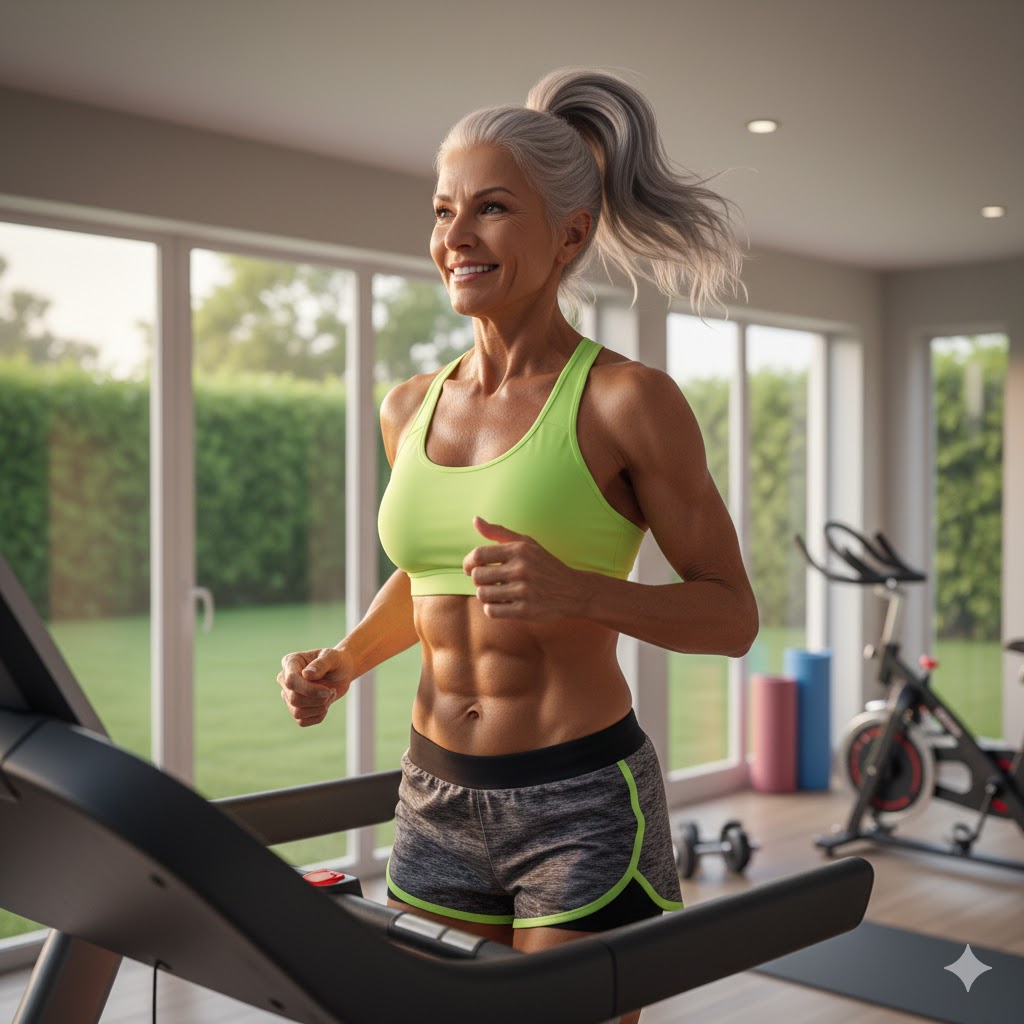

Hobbies and continuous learning after 50 aren't just pleasant pastimes—they're powerful medicine against Alzheimer's disease, depression, and physical decline. Research shows that engaging in mentally stimulating activities reduces dementia risk by up to 63%, while learning new skills creates neuroplasticity that repairs brain damage and builds cognitive reserve. People with active hobbies live longer, have better physical health, lower stress hormones, and significantly reduced risk of cognitive decline. Your brain is designed to grow throughout life—giving it the right challenges keeps you sharp, healthy, and vibrant well into your golden years.
Learning a new language is perhaps the single most powerful cognitive exercise for preventing Alzheimer's. Bilingual people develop dementia 4-5 years later than monolingual people, even when they eventually do develop the disease. Language learning activates multiple brain regions simultaneously—memory centers storing vocabulary, motor areas producing speech sounds, auditory processing understanding words, and executive functions managing grammar rules. This comprehensive brain workout builds cognitive reserve that protects against neurodegeneration. Apps like Duolingo, Babbel, and Rosetta Stone make language learning accessible from home. Join conversation groups online or in community centers to practice speaking. Even 15 minutes daily creates measurable brain changes. Start with languages sharing roots with English (Spanish, French, Italian) for faster initial progress, or challenge yourself with completely different structures (Mandarin, Arabic, Japanese) for maximum cognitive benefit. The frustration of making mistakes actually strengthens learning—embrace imperfection as part of the brain-building process.
Learning to play a musical instrument after 50 creates dramatic brain changes visible on MRI scans within months. Music engages motor skills (finger movements), auditory processing (hearing notes), visual reading (sheet music), memory (learning pieces), and emotional processing simultaneously. Musicians have larger corpus callosa connecting brain hemispheres, better executive function, and significantly lower rates of cognitive decline. Even people with early Alzheimer's can often still play instruments learned years ago—music memories are deeply embedded and resistant to disease. Piano and guitar are popular starting instruments with abundant online tutorials. Ukulele is surprisingly easy for beginners. Join community bands, orchestras, or jam sessions for social benefit alongside cognitive stimulation. Don't worry about perfection—the learning process itself provides the brain benefits. Music also reduces blood pressure, lowers cortisol, and improves mood through dopamine release. The combination of cognitive challenge, motor skills, and emotional engagement makes music one of the most comprehensive brain-protective activities possible.
Visual arts—painting, drawing, sculpture, photography—provide unique cognitive benefits while also exercising and protecting your vision. Artistic activities require hand-eye coordination, spatial reasoning, color perception, fine motor control, and creative problem-solving. Research shows that engaging in visual arts reduces Alzheimer's risk by 73% compared to non-artists. The act of closely observing subjects to draw or paint them exercises eye muscles and visual processing centers, potentially slowing age-related vision changes. Painting requires you to distinguish subtle color and tonal variations, keeping visual discrimination sharp. Photography gets you moving outdoors for better subjects, combining physical activity with artistic expression. Join art classes at community centers—the social element adds brain benefits while instructors help you progress. Adult coloring books offer simpler entry points. Ceramics and pottery combine artistic creativity with tactile stimulation and physical activity. The key is choosing art forms you genuinely enjoy so you'll practice consistently—the brain benefits accumulate with regular engagement over time.
Dancing is extraordinary medicine combining cardiovascular exercise, balance training, memorization, social interaction, and rhythm coordination. Studies show that dancing reduces Alzheimer's risk more than any other single activity—76% risk reduction compared to non-dancers. Learning choreography requires memorizing sequences while executing physical movements, building new neural pathways. Partner dancing adds the cognitive challenge of reading another person's movements and coordinating with them. The cardiovascular exercise improves blood flow to the brain, reduces diabetes risk, strengthens heart health, and improves balance (preventing dangerous falls). Join ballroom dancing, line dancing, folk dancing, or Zumba classes specifically for seniors. The social environment reduces depression while providing accountability. Music's emotional impact combined with physical movement releases endorphins and dopamine. Even people with Parkinson's disease show improved mobility and balance through regular dancing. No prior experience needed—beginner classes welcome people of all skill levels. The joy of dancing makes it sustainable long-term, unlike exercise that feels like drudgery.
Gardening combines physical activity, sun exposure (vitamin D for brain health), fine motor skills, planning and problem-solving, and connection with nature—all factors that reduce depression and cognitive decline. The physical work improves strength, flexibility, and cardiovascular health while being gentle enough for most fitness levels. Soil bacteria exposure boosts immune function and may reduce inflammation. Planning what to plant where and when exercises executive function. Watching growth over seasons teaches patience and provides purpose through nurturing living things. Harvesting vegetables you've grown encourages healthy eating—people who garden eat more vegetables. Join community gardens for social interaction. Even container gardening on balconies provides benefits. The sunlight exposure helps regulate circadian rhythms for better sleep (sleep deprivation accelerates Alzheimer's). The sensory experience—touching soil, smelling flowers, seeing colors, hearing birds—engages multiple brain regions. Studies show that people with gardens have better mental health, less dementia, and live longer than those without access to gardening. The combination of physical, cognitive, sensory, and nutritional benefits makes gardening comprehensive medicine.
Reading and writing are accessible, inexpensive activities with powerful brain benefits. Reading fiction activates brain regions involved in understanding other people's mental states (empathy), improving emotional intelligence and social cognition. Nonfiction builds knowledge while exercising memory and comprehension. Book clubs add social interaction and accountability. Reading 30 minutes daily reduces stress by 68%—more effective than listening to music or taking a walk. Writing—whether journaling, memoir, fiction, or blogging—organizes thoughts, processes emotions, and exercises language centers. Writing about difficult experiences actually improves immune function and reduces doctor visits. Join writing groups or take online creative writing courses for structure and feedback. Reading challenging material that slightly exceeds your current comprehension level provides optimal brain exercise without frustrating you into quitting. Vary genres and topics to stimulate different brain regions. The vocabulary building from reading creates cognitive reserve that protects against dementia—people with larger vocabularies develop Alzheimer's later than those with limited vocabulary, even when disease is present.
The hobbies and learning activities you pursue after 50 directly shape your brain's health trajectory. Each new skill builds neuroplasticity, every social hobby fights isolation and depression, all physical activities improve circulation to your brain. You don't need to excel—simple engagement provides benefits. Choose activities you genuinely enjoy so consistency comes naturally. Mix cognitive challenges (language learning, music) with physical activities (dancing, gardening) and social hobbies (classes, clubs) for comprehensive protection. Your brain remains capable of growth and change throughout life—give it the stimulation it needs to thrive, and it will serve you well for decades to come. The investment you make in hobbies and learning today pays health dividends far into the future.
Ready to discover brain-protecting hobbies perfect for you?
Click here to register for the webinar